

Sleep Apnea Treatment · Scottsdale & Payson
Sleep Apnea Treatment for a Good Night's Rest
Sleep apnea is best managed with a clear-eyed, personalized treatment plan — effectively reducing your airway obstruction, protecting your health, and helping you finally experience a good night’s rest. At Winterholler Sleep and TMJ, we offer a full range of customized solutions for sleep apnea — and we take the time to truly listen.

Google Rating
4.9
A trusted dental implants provider in Scottsdale, Arizona

Understanding the Condition
What is Obstructive Sleep Apnea and why is treatment important?
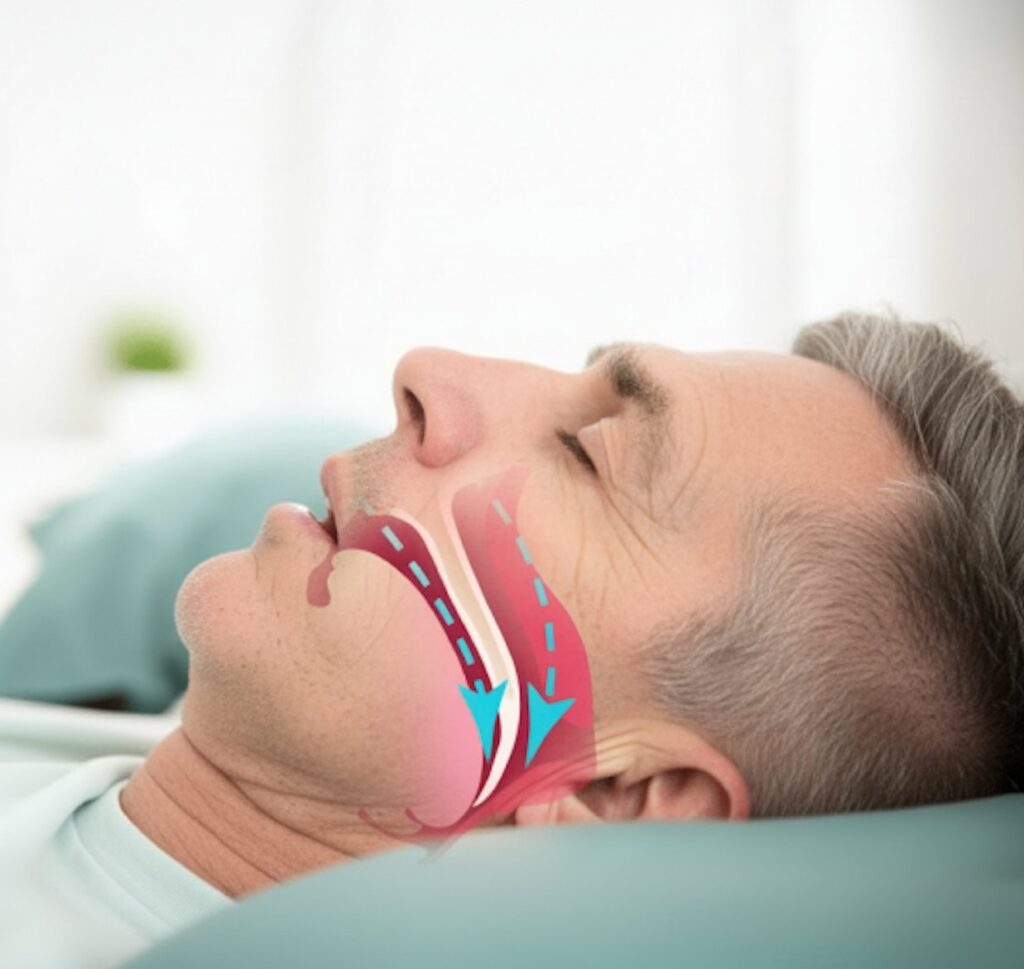
Obstructive sleep apnea is a well-known form of sleep-disordered breathing that affects a significant portion of the population. It occurs when the upper airway muscles relax or collapse during sleep. The upper airway muscles relax, the soft palate falls, and oxygen delivery to the body is interrupted — repeatedly, throughout the night.
Each time this occurs, a disruption to the body tries to resume. The cumulative effect of high blood pressure and other further complications is significant. Sleep apnea is a condition that can take multiple forms — including obstructive sleep apnea and central sleep apnea, both of which disrupt normal breathing patterns during sleep.
"At Winterholler Sleep and TMJ we have a precision-driven, patient-first approach to sleep apnea — continuing advanced diagnosis with fully customized solutions designed around your individual anatomy and overall health."
Know the Signs
Recognizing Apnea Symptoms and When to Diagnose Sleep Apnea
Many people live with sleep apnea symptoms for years before seeking care. The most common signs include:
Loud snoring or pauses in breathing during sleep
Gasping or choking at night
Excessive daytime sleepiness despite adequate sleep hours
Waking up with a dry mouth or sore throat
Waking up with a dry mouth or sore throat
Mood changes, irritability, or depression linked to poor sleep
Daytime drowsiness and reduced focus can often be the first flags. If you feel exhausted even after what should have been a full night’s sleep — it is time to take that seriously. A qualified healthcare provider can evaluate your concerns and deliver an accurate diagnosis. Once you are formally diagnosed, treatment options can be tailored to your needs — helping to restore consistent breathing and improve sleep performance long term.
Clinical Measurement
How a Healthcare Provider Uses the Apnea Hypopnea Index
The Apnea Hypopnea Index (AHI) tracks the number of sleep apnea or hypopnea episodes per hour. This key number determines the severity of your condition and guides treatment decisions.
Mild obstructive sleep apnea
Oral appliance therapy is often highly effective and the preferred first-line treatment.
5–14 events/hour
Moderate sleep apnea
CPAP or oral appliance therapy — or combination — depending on anatomy and patient preference.
15–30 events/hour
Severe sleep apnea
Typically requires more structured intervention. May involve CPAP, combination therapy, or advanced options. The Winterholler Advantage is a patient's ability to work with an expert to find the right plan.
30+ events/hour

Your Options
Sleep Apnea Treatment Options Designed Around You
There is no medical treatment for sleep apnea. The right approach depends on severity, anatomy, lifestyle, and individual preference.
CPAP remains the gold standard for moderate to severe obstructive sleep apnea when tolerated. A steady stream of pressurized air is delivered through a mask, keeping the airway open throughout the night. When properly fitted and consistently used, it is highly effective. We provide guidance on compliance and optimization.
Oral appliance therapy is one of the core CPAP alternatives that sleep-trained dental professionals can offer. Mandibular Advancement Devices (MADs) hold the lower jaw in a forward position during sleep — maintaining an open airway and preventing soft tissue from collapsing into the throat.
By supporting proper jaw and tongue alignment, these appliances are highly effective for patients seeking a comfortable, portable solution without the mask or machine. Dr. Patrice specializes in designing and fitting these devices precisely to your anatomy.
Excess body weight — particularly around the neck — increases airway narrowing during sleep. Even modest weight reduction can produce meaningful improvement in AHI scores and sleep quality. Alongside weight management, positional therapy, alcohol avoidance, and smoking cessation all contribute to better outcomes.
Advanced Therapy
Hypoglossal Nerve Stimulation and Advanced Nerve Stimulation Therapy
Hypoglossal nerve stimulation is one of the most promising treatments for moderate-to-severe obstructive sleep apnea when other therapies have failed. An implanted device delivers mild stimulation to the hypoglossal nerve during sleep — activating the tongue muscles to prevent airway collapse.
As we learn more about sleep apnea treatment options, we can help determine whether advanced nerve stimulation therapy is a consideration for your case — and facilitate appropriate referral when indicated.
Structural Support
Orofacial Therapy, Facial Muscles and Upper Airway Support
The strength and coordination of your facial muscles and throat muscles can profoundly influence how well your airway stays open during sleep. When muscles lack tone, the tongue may fall back or inward — narrowing the upper airway in ways that worsen apnea.
Orofacial myofunctional therapy focuses on improving muscle function through targeted exercises. While it is not a replacement for primary treatment, it can meaningfully support the effectiveness of other therapies — particularly oral appliance treatment — and may allow patients to avoid more invasive options right away.
Our Commitment
Our Personalized Sleep Apnea Treatment Plan
In collaboration with your treating physicians, our personalized sleep apnea treatment includes positive airway pressure appliances, titration adjustments, and close long-term follow-up monitoring — all while managing the TMJ, sleep-disordered breathing, and overall daytime functioning.
At Winterholler Sleep and TMJ, your sleep apnea treatment plan is always a starting framework and a truly continuous treatment and a truly good-night’s rest.
- Comprehensive evaluation of your sleep study, symptoms, and anatomy
- Custom oral appliance fabrication and titration when indicated
- CPAP guidance and compliance support when appropriate
- Orofacial and myofunctional therapy coordination
- Close follow-up with objective sleep retesting to confirm outcomes
- Collaborative co-management with your sleep physician
Common Questions
Frequently Asked Questions
What is the most effective sleep apnea treatment?
Can sleep apnea be treated without CPAP?
How do I know which treatment is right for me?
Can sleep apnea be treated without CPAP?
Yes — oral appliance therapy, airway orthodontics, lifestyle modifications, and in some cases surgical intervention are all viable CPAP alternatives. The best option depends on your specific diagnosis and individual anatomy. We evaluate each patient individually to determine which approach — or combination of approaches — will be most effective for you.
Take the Next Step
Take the next step toward well-deserved sleep.
Sleep apnea is treatable — and you don’t have to settle for a machine you hate or a diagnosis with no path forward. Schedule your complimentary consultation today and let us build a plan that works for your life, your anatomy, and your sleep.
Scottsdale
13825 N Northsight Blvd, Suite 120
Mon–Thu 8–5 · Tue 7–5 · Fri 8–1
(480) 767-8400
Payson
315 E State Highway 260
Mon–Thu 8am – 5pm
(928) 474-2200