

Sleep Apnea Treatment · Scottsdale
Sleep Apnea Testing in Scottsdale
You may have been feeling drowsy, like you haven’t slept at all. Don’t dismiss feelings of tiredness — they could be telling you that you have sleep disordered breathing. At Winterholler Sleep and TMJ, we provide convenient, comfortable, and accurate sleep apnea testing — bringing clarity to your nights and answers to your days.

Google Rating
4.9
A trusted TMJ, Sleep & Airway Doc in Scottsdale, Arizona
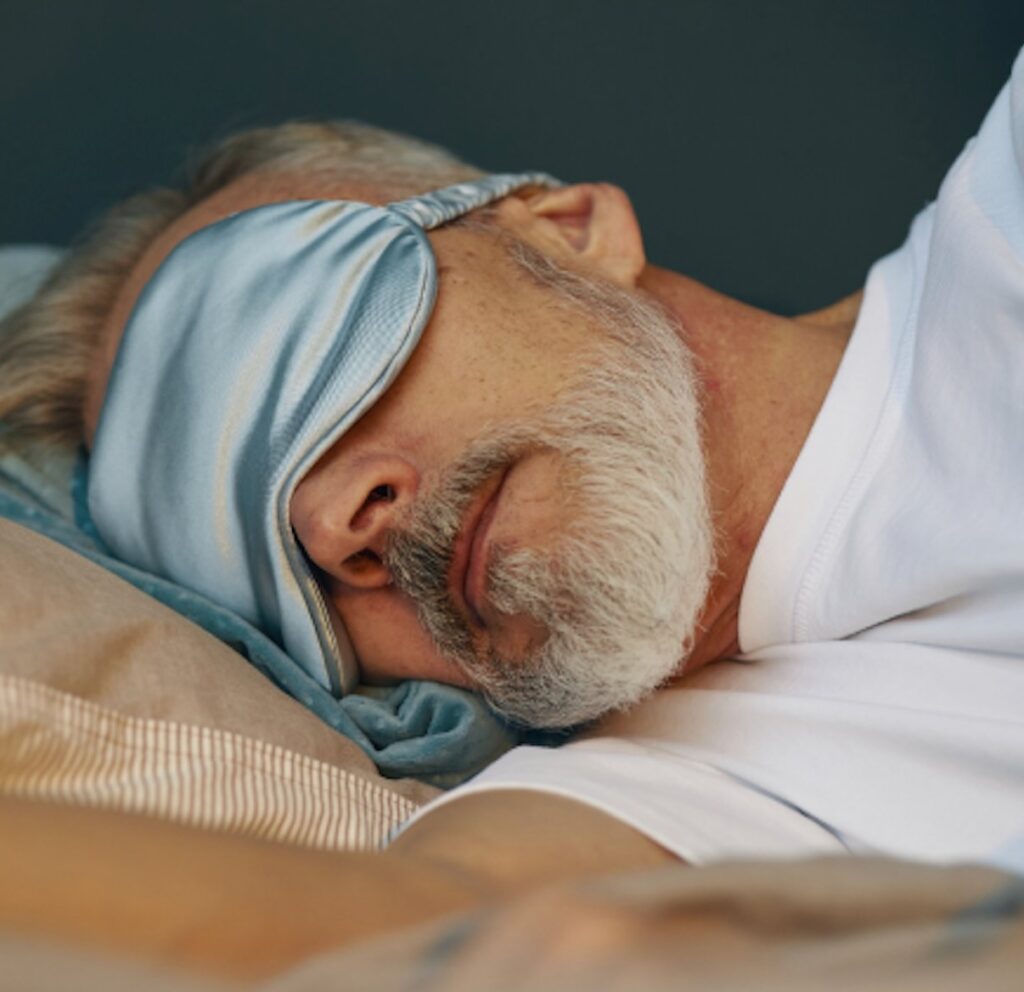
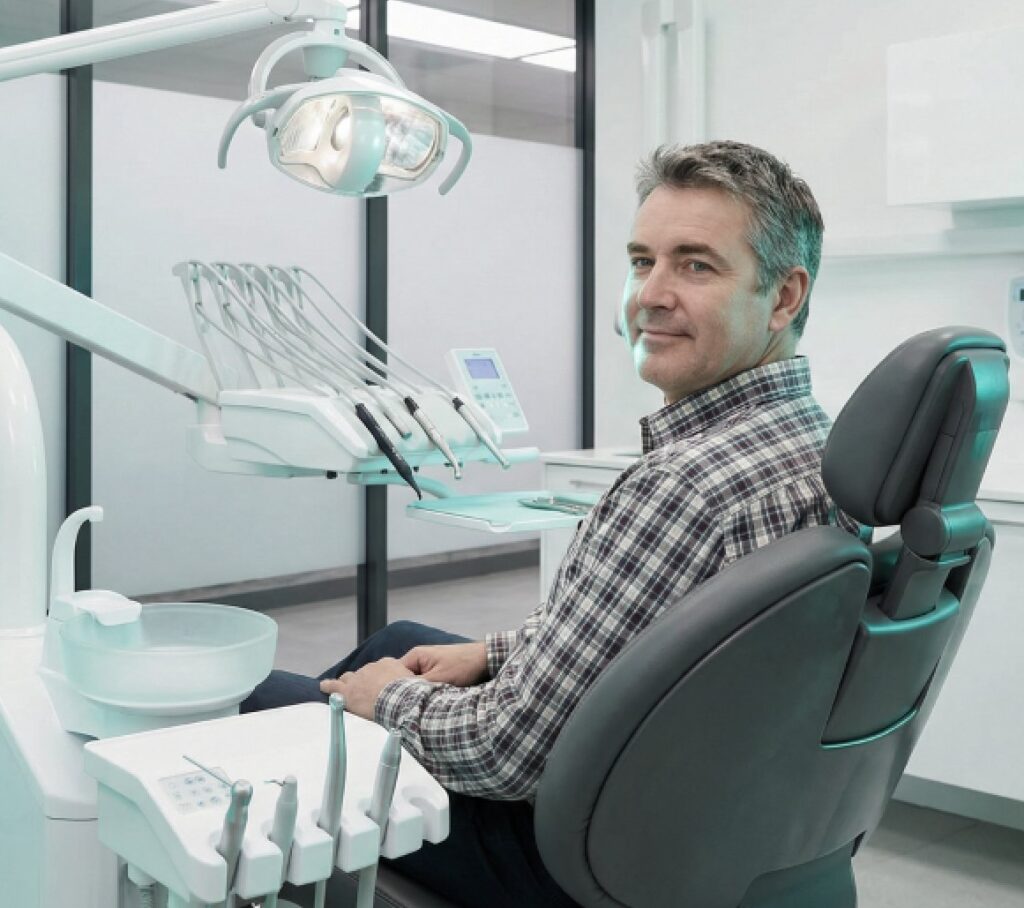
Our Philosophy
A Patient First Approach to Diagnosis
At Winterholler Sleep and TMJ, testing is never treated as routine or one-size-fits-all. We begin with a thorough review of your history, symptoms, and specific concerns — taking the time to understand the full picture before recommending a testing approach.
When appropriate, we use advanced sleep testing equipment, laboratory referrals, and detailed evaluation protocols to arrive at a diagnosis that accurately reflects your situation — not just your numbers. Our goal is clear answers that lead to effective, lasting treatment.
Why Testing Matters
Sleep apnea testing brings clarity to your nights.
Sleep apnea testing provides objective insight into how your breathing, oxygen levels, and sleep architecture are functioning while you sleep. Without a proper diagnosis, treatment cannot be targeted or confirmed. Many patients live with undiagnosed sleep apnea for years — attributing fatigue, brain fog, and mood disturbances to stress or aging.
Testing can also help quantify your risk if you are not already experiencing obvious symptoms, such as loud snoring. Both home sleep studies and in-lab studies are available, each effective for different circumstances. We help patients select the most appropriate testing method — they can be scheduled easily with a little notice.
"Don't accept poor sleep as normal. Testing is the first step toward sleeping — and living — better."
Recognize the Signs
Signs it may be time for testing
If you notice any of the following, schedule an evaluation. These are among the most common indicators that sleep disordered breathing may be affecting your health and quality of life.
Loud Snoring with Pauses in Breathing
A bed partner notices you stop breathing, gasp, or choke during sleep — one of the most telling signs of obstructive sleep apnea.
Excessive Daytime Sleepiness
Persistent fatigue, difficulty staying awake during the day, or falling asleep during quiet activities despite sleeping a full night.
Waking Up Gasping or Struggling to Breathe
Waking abruptly with a sensation of choking, gasping, or shortness of breath is a direct sign of airway obstruction occurring during sleep.
High Blood Pressure Difficult to Control
Untreated sleep apnea is a leading contributor to resistant hypertension. If your blood pressure is difficult to control despite medication, sleep apnea may be a factor.
Morning Headaches or Dry Mouth
Waking with headaches, dry mouth, or a sore throat regularly is often associated with overnight mouth breathing or oxygen desaturation during sleep.
Severe Breathing Trouble
In addition to reporting symptoms to your physician, seeing a sleep specialist is critical if you experience notable nighttime breathing difficulty — including any episodes of prolonged oxygen desaturation.

Home Sleep Testing
Comfortable at-home sleep study.
For many patients, at-home sleep tests offer a convenient and reliable starting point. They are especially useful in uncomplicated cases of suspected obstructive sleep apnea, eliminating the need for an overnight clinic stay.
The device is compact and worn for two or more nights in your own bed — recording key parameters including breathing patterns, oxygen levels, pulse rate, and body position. We use WatchPAT — a clinically validated wrist-worn home sleep testing device that provides accurate, physician-grade data from the comfort of your own home.
- WatchPAT — clinically validated, wrist-worn home sleep testing
- Measures sleep stages, oxygen levels, AHI, and heart rate
- Complete in your own bed — no overnight clinic stay required
- Simple setup with clear instructions provided at your appointment
- Results reviewed and interpreted by Dr. Patrice within days
When More Detail Is Needed
In-Lab Sleep Study Options at a Trusted Sleep Center
An in-lab sleep study provides the most thorough assessment when complex sleep disorders are suspected, when home testing results are inconclusive, or when a higher level of monitoring is clinically indicated.
In-lab polysomnography measures a comprehensive range of sleep data — including all sleep stages, brain activity, leg movements, and blood oxygen levels — providing the most complete picture possible. We maintain trusted referral relationships with sleep laboratories in both Scottsdale and the surrounding area.
- Comprehensive polysomnography — all sleep stages and parameters recorded
- Indicated for complex, unclear, or severe presentations
- Coordinated referral to a trusted sleep laboratory
- Results co-reviewed with your care team for complete treatment planning

Turning Sleep Study Data Into Clear Answers
A confirmed diagnosis is only valuable if it leads to effective treatment. After your sleep study, we review your results in detail with you — explaining what the data means, what your diagnosis indicates, and what your treatment options are — so you leave with a clear plan.
What Comes Next
Treatment Options After Sleep Apnea Testing
The right approach to treatment depends on the severity of your sleep apnea and your overall health. We offer a full range of evidence-based options.
Continuous Positive Airway Pressure and Positive Airway Pressure Titration
Continuous positive airway pressure (CPAP) therapy remains a gold standard for moderate to severe sleep apnea. When appropriately prescribed and fitted, it is highly effective — and we provide guidance on fitting, compliance, and optimization.
Oral Appliance Therapy and Jaw Forward Support
A custom oral appliance positions the lower jaw forward during sleep — preventing airway collapse without a mask or machine. Highly effective for mild to moderate cases and for CPAP-intolerant patients. Dr. Patrice specializes in designing and fitting these devices precisely to your anatomy.
Additional CPAP Alternatives and Supportive Therapies
For patients who want to explore all available options, we discuss positional therapy, myofunctional therapy, weight management strategies, and airway orthodontics. In select cases, referral to ENT or sleep surgery may be appropriate. We leave no option unexplored.
Before Your Test
Preparing for Your Home Sleep Apnea Test
- Maintain your normal sleep routine and schedule in the days before your test
- Avoid alcohol and sedatives the evening of your test — they affect sleep architecture
- Wear comfortable clothing that you would normally sleep in
- Keep the area around your bed clear to allow for comfortable movement and equipment
- Know your appliance — if you have a current sleep device, bring it to your appointment
- A test is based on repeated abrupt answers — allowing your sleep testing to reflect your sleep apnea patterns accurately and consistently
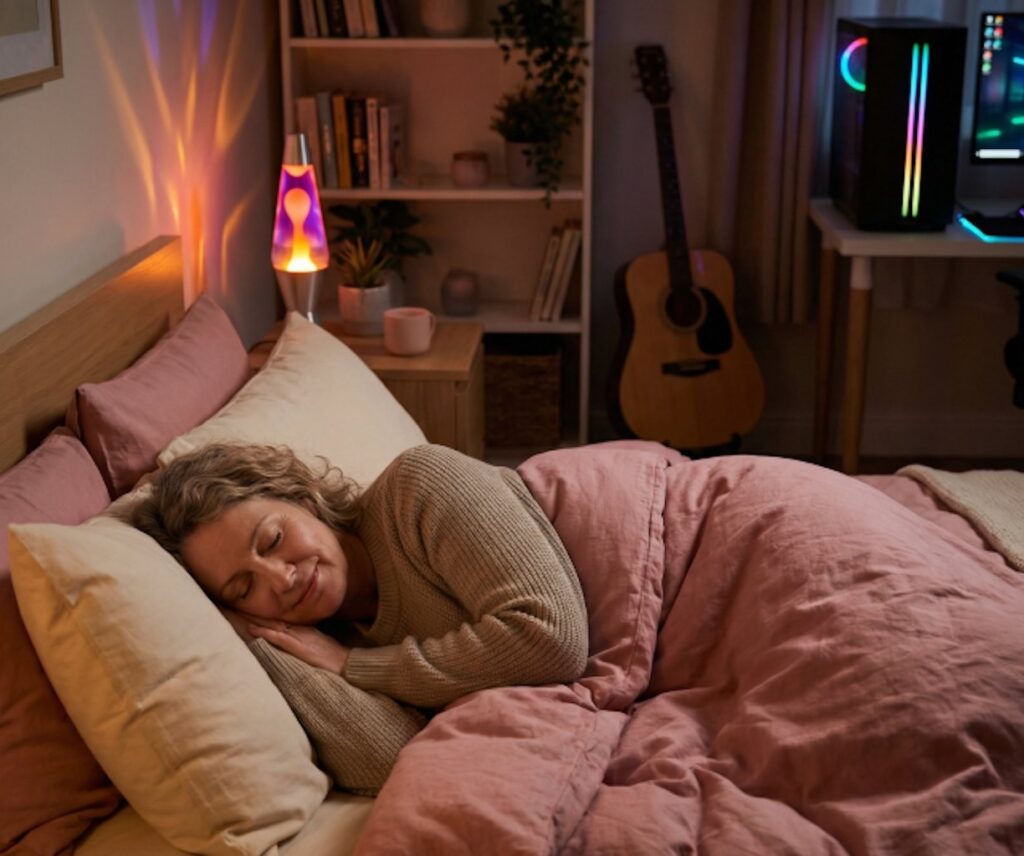
Sleep Monitoring at Home
Our home sleep test monitors use clinically validated technology to measure what matters most — including your apnea-hypopnea index, oxygen saturation, heart rate, and sleep position — all from the comfort of your own bed.
Common Questions
Frequently Asked Questions About Sleep Apnea Testing
How do treatments support an airway open during sleep?
What are common risk factors for sleep apnea?
Are home sleep tests accurate for obstructive sleep apnea?
Yes — for the majority of patients with suspected obstructive sleep apnea, home sleep testing using devices like WatchPAT provides accurate, clinically validated results. WatchPAT uses peripheral arterial tone, oxygen saturation, and other parameters to deliver reliable apnea-hypopnea index (AHI) data. For complex cases or suspected central sleep apnea, an in-lab study may be recommended.
Will I need an in-lab sleep study if the results are unclear?
How long does it take to diagnose obstructive sleep apnea?
Can obstructive sleep apnea be treated without continuous positive airway pressure?
Better Sleep with Winterholler Sleep and TMJ
Answers start with a single test.
Don’t keep wondering why you feel the way you do. A home sleep test is simple, comfortable, and often covered by insurance. Schedule your complimentary consultation today and take the first step toward understanding — and resolving — your sleep.
Scottsdale
13825 N Northsight Blvd, Suite 120
Mon–Thu 8–5 · Tue 7–5 · Fri 8–1
(480) 767-8400
Payson
315 E State Highway 260
Mon–Thu 8am – 5pm
(928) 474-2200