
Sleep Apnea Treatment · Scottsdale
CPAP Alternative Treatments for Sleep Apnea
If you have tried CPAP therapy and find it difficult or uncomfortable — or want to explore alternatives — we offer personalized solutions that can restore your sleep without a machine.

Google Rating
4.9
A trusted TMJ, Sleep & Airway Doc in Scottsdale, Arizona
Understanding the Problem
How sleep apnea steals your rest.
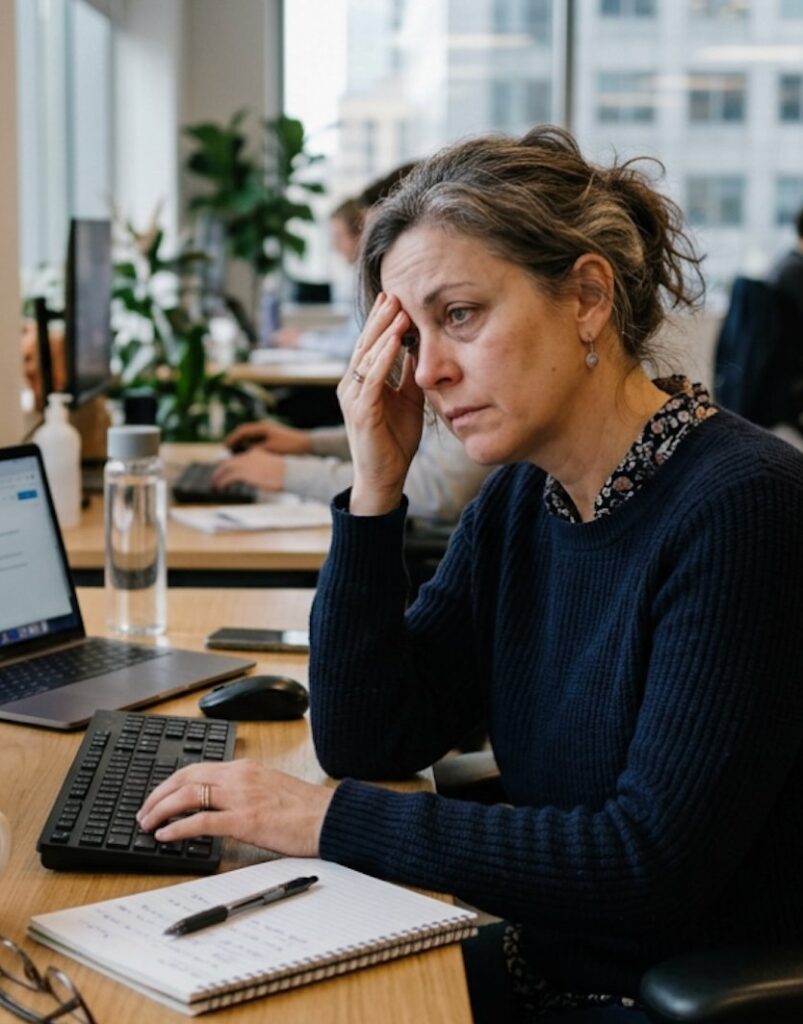
Sleep apnea causes repeated breathing interruptions throughout the night — preventing your body from reaching the deep, restorative sleep it needs. The result is chronic fatigue, poor concentration, mood disruption, and over time, serious cardiovascular and metabolic health consequences.
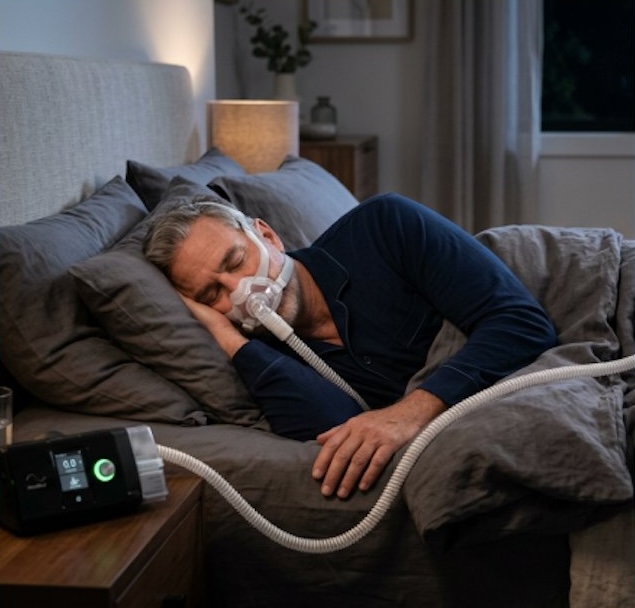
Positive airway pressure (CPAP) therapy is often prescribed to keep the upper airway open during sleep. But many patients find CPAP intolerable — the mask, the noise, the claustrophobia. Long-term CPAP compliance is low, and an unused machine helps no one.
The many CPAP therapies offered by At Winterholler Sleep and TMJ are highly effective, evidence-based CPAP alternatives proven to maintain the mandible in a position that opens the airway. Like CPAP alternatives, oral appliances or combination therapy may be right for you.
Is It Time for a Change?
When is it time to explore a CPAP alternative?
If CPAP therapy is inconsistent or uncomfortable, treatment effectiveness is compromised. Many patients reach the point where a Mandibular Advancement Device (MAD) or other oral appliance may resolve well — or even outperform — their CPAP results.
CPAP alternatives support different populations, including those managing central sleep apnea. Let’s find the right solution for you.
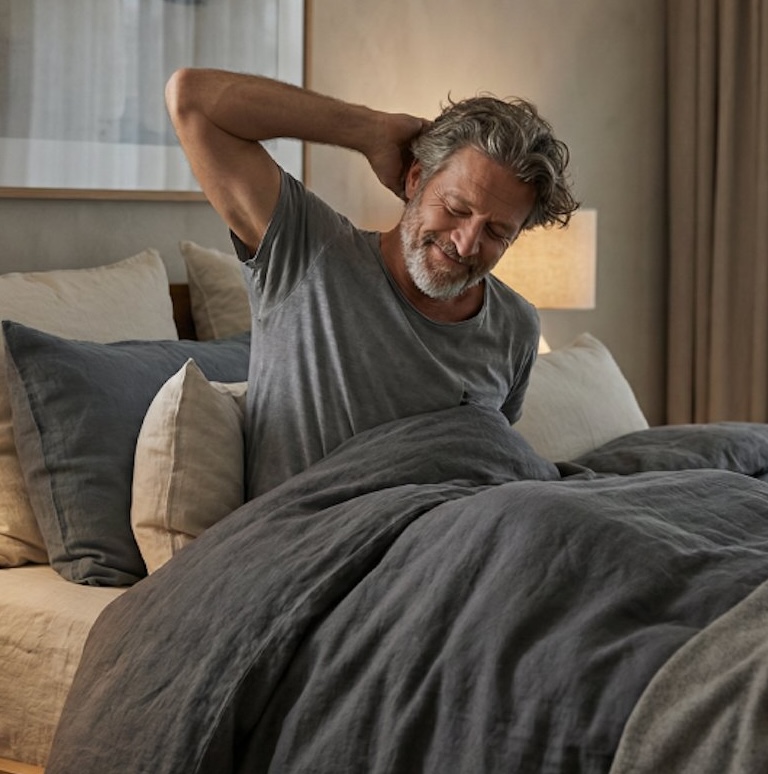
You may be ready for a CPAP alternative if you experience mask discomfort, claustrophobia, skin irritation, dry mouth, difficulty falling asleep with the machine, or you simply can't maintain consistent use.
Signs You May Need an Alternative
- You avoid using your CPAP most nights
- You wake feeling unrefreshed despite the machine
- Your partner reports you still snore with CPAP on
- You experience mask leaks, skin irritation, or dry mouth
- Travel or lifestyle makes CPAP use impractical
Our Primary Treatment
Oral Appliance Therapy for Obstructive Sleep Apnea
Oral appliance therapy is one of the most established CPAP alternatives for obstructive sleep apnea — offering the leading-edge treatment many patients find far more comfortable and sustainable than CPAP.
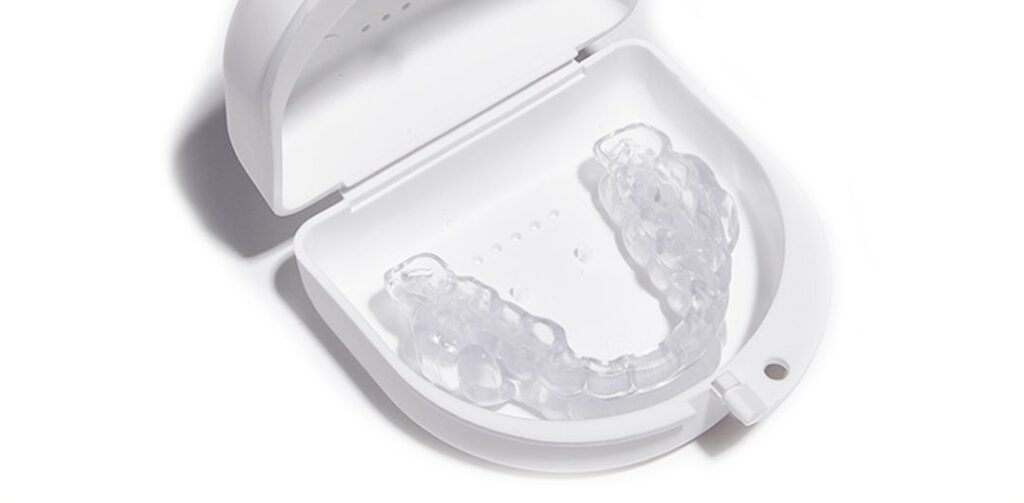
How Do Oral Appliances Work?
Custom oral appliances, often designed to resemble mouthguards, are worn during sleep. They gently reposition the lower jaw forward — preventing the tongue and soft tissues from collapsing into the airway, maintaining an open passage for breathing throughout the night.
Every appliance is custom-fabricated to your anatomy using precise digital records — ensuring the most comfortable fit and the most effective jaw positioning for your case.
Who May Benefit?
- Patients with mild to moderate obstructive sleep apnea
- CPAP intolerant patients of any severity
- Patients who travel frequently or prefer a simple, portable solution
- Those seeking a quieter, less intrusive treatment experience
- Patients with TMJ dysfunction — we address both simultaneously
Beyond the Machine
When CPAP is not the path forward.
If you cannot comfortably tolerate CPAP therapy, you are not alone — and you are not without options. For some patients with positional sleep apnea, lifestyle changes alone may resolve well. For others, oral appliance therapy is the clear answer.
At Winterholler Sleep and TMJ, we evaluate whether Oral Appliance Therapy is appropriate — then work collaboratively with your sleep physician to confirm results objectively with a follow-up home sleep test.
Supportive Changes That Make a Difference
- Weight management — reducing excess tissue around the airway
- Positional therapy — avoiding back sleeping when it worsens apnea
- Myofunctional therapy — retraining tongue and airway musculature
- Airway orthodontics — expanding the arch to create lasting structural improvement
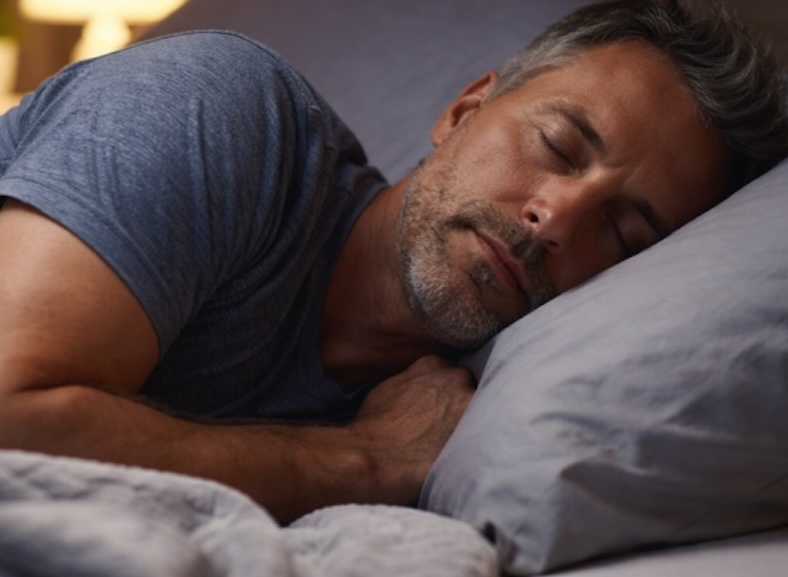
For Complex Cases
Advanced CPAP Alternative Therapy for Complex Cases
Emerging and Targeted Solutions
For patients with more complex presentations, advanced CPAP alternative therapy may be the best answer. We stay current on emerging modalities that go beyond standard approaches to address the structural and functional contributors to sleep apnea.
- Combination therapy — appliance plus behavioral support
- DOME expansion — lasting airway improvement
- Myofunctional therapy — retraining airway muscles
Balloons and Targeted Solutions
For patients with chronic sinusitis, nasal obstruction or upper airway congestion contributing to sleep apnea, we utilize a collaborative approach. We may refer to ENT specialists where balloon sinuplasty, turbinate reduction, or other targeted solutions could provide meaningful airway improvement to support our oral appliance treatment.
- Referral to ENT for nasal and sinus evaluation when indicated
- Coordination with sleep physicians for complex or severe cases
- Collaborative, data-driven treatment planning
Our Approach
Choosing the Right CPAP Alternative Treatment Plan
No two sleep apnea cases are the same. Selecting the right CPAP alternative is not simply matching a device to a diagnosis — it involves understanding your anatomy, your sleep data, your lifestyle, and your long-term health goals.
We interact with you closely as your physician to understand the factors influencing your sleep, always making sure your care aligns with the most current evidence-based practices. Our goal is not just to offer a CPAP alternative — it is to find the right alternative for you specifically.
Precision-Guided & Data-Informed Care
We collaborate with your diagnosing sleep physician to provide personalized treatment options. Our custom oral sleep apnea devices hold your lower jaw in an optimized position, allowing for a greater airway and better sleep. We always use the best available data — including follow-up sleep testing — to confirm that your treatment is working.
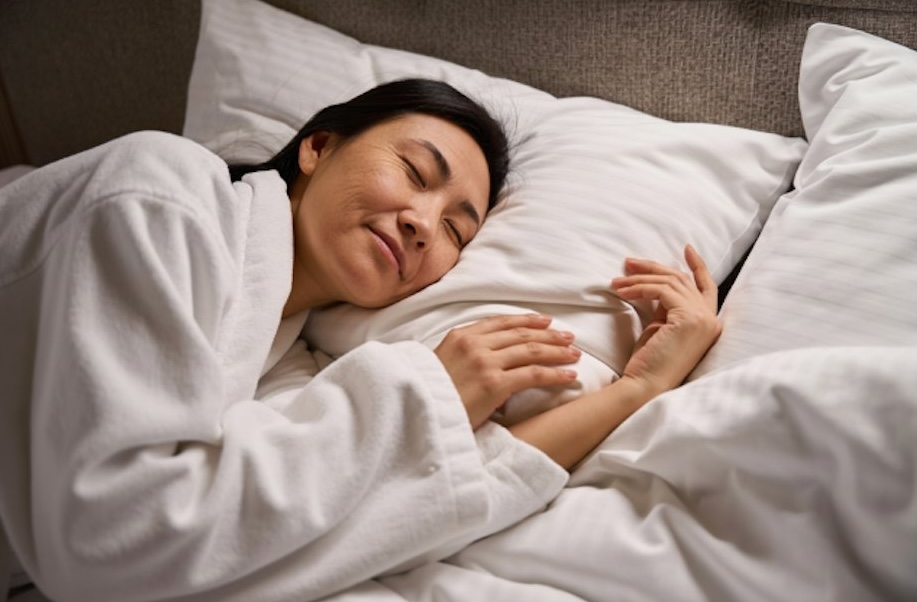
How We Treat
What to Expect with a CPAP Alternative
Your CPAP alternative treatment at Winterholler Sleep and TMJ is personalized and well-supported at every step.
We review your existing sleep study or help arrange home sleep testing using WatchPAT — then discuss your symptoms, history, and treatment goals in detail.
Digital records are taken and your custom oral appliance is fabricated — precision-guided and calibrated to your optimal jaw position for maximum airway benefit.
Your appliance is delivered at a follow-up appointment with detailed instructions, fit verification, and any initial adjustments needed for comfort and effectiveness.
A follow-up home sleep test confirms that your treatment is working and that your oxygen levels and apnea events have improved objectively — not just subjectively.
Regular check-ins ensure your appliance continues to perform at its best — adapting to any changes in your condition, anatomy, or health over time.
You Can Expect
- Digital records & custom-designed appliance
- Precise jaw position calibration
- Follow-up sleep testing to confirm results
- Ongoing monitoring and adjustments
- Coordination with your sleep physician
- Sustainable, comfortable improvement in sleep quality
Common Questions
Frequently Asked Questions About CPAP Alternative Options
Who is a good candidate for oral appliance therapy?
Can CPAP alternative treatments work for severe sleep apnea?
Yes — in many cases. Oral appliances, positional therapy, and in some cases upper airway surgery or airway orthodontics can provide significant relief even for severe cases. Dr. Patrice evaluates each patient individually to determine the most effective path forward, and will co-manage with your sleep physician when appropriate.
What is the best sleep disorder technology (WatchPAT)?
WatchPAT is a wrist-worn home sleep testing device that provides detailed, accurate sleep data — including sleep stages, oxygen levels, heart rate, and apnea events — without the inconvenience of an overnight sleep lab. We use WatchPAT to establish a baseline diagnosis and to objectively monitor treatment progress over time.
What types of sleep disorders can you evaluate?
Are CPAP alternative devices FDA-approved?
How long does it take to improve sleep quality?
Most patients notice meaningful improvement within the first few weeks of consistent use. Objective improvement in oxygen levels and apnea events is typically confirmed with a follow-up home sleep test within 4–8 weeks of beginning treatment.
Start Sleep Better Without Settling
You don't have to choose between sleep and comfort.
Our goal is to find a sustainable, effective solution that fits your life — not a machine you’ll leave on the nightstand. Schedule your complimentary consultation today and take the first step toward genuinely restorative sleep.
Scottsdale
13825 N Northsight Blvd, Suite 120
Mon–Thu 8–5 · Tue 7–5 · Fri 8–1
(480) 767-8400
Payson
315 E State Highway 260
Mon–Thu 8am – 5pm
(928) 474-2200