

Tailored anesthesia staffing, clinical delivery, and operational support designed to match your facility structure, case mix, and performance goals.
At Collaborative Anesthesia Partners, we specialize in delivering anesthesia management services customized for healthcare facilities. We’re committed to ensuring both patient safety and optimized reimbursement through efficient care team assembly and advanced billing practices. Whether your facility is a hospital, ambulatory surgery center or office-based practice, our goal is to provide anesthesia care solutions that meet your unique needs.
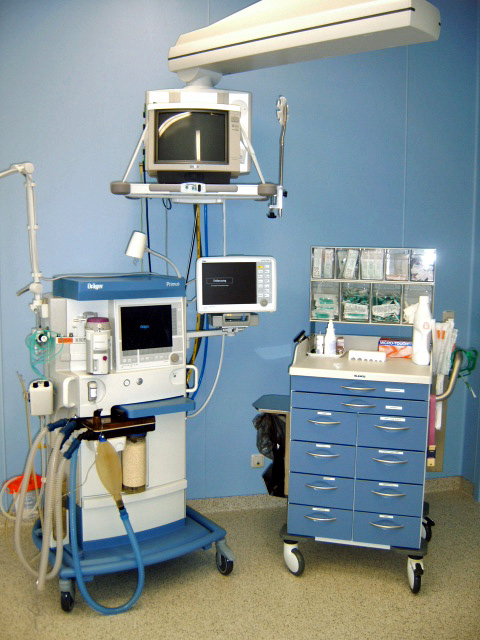
Our services include general anesthesia for a wide range of surgeries, sedation for less invasive procedures and regional anesthesia for targeted pain relief with quicker recovery times.
Have questions? Find answers to our most frequently asked questions and get the information you need to make informed decisions.
Anesthesia refers to the combination of medications and/or treatments that relieve pain and decrease sensation/awareness. Some anesthesia will put you in a sleeplike state that allows surgical/invasive procedures to be performed effectively while ensuring safety. Anesthesia is used for many different reasons including, but not limited to: childbirth, filling a tooth, minor/major surgeries and medical procedures such as colonoscopies.
The type of anesthesia delivered is based on the needs of the patient and the procedure/surgery that is being performed.
An anesthesiologist is a specially trained nurse or physician who specializes in anesthesia. All nurse and physician anesthesiologists at Collaborative Anesthesia Partners are board-certified and experienced in independent anesthesia practice. Having a physician or nurse anesthesiologist will make no difference in the safety of your anesthesia, type of anesthesia or how it is delivered.
Although anesthesia delivery is not without the risk of adverse effects, it is generally safe. Your anesthesiologist will discuss the risks and benefits of anesthesia with you before having you sign a consent for anesthesia treatment.
The more common risks associated with receiving anesthesia include post-operative nausea/vomiting, grogginess/confusion, feelings of cold/shivering and sore throat (if a breathing tube was placed by the anesthesiologist during your procedure/surgery).
It is extremely dangerous to be sedated with food or liquid in your stomach. If there is food or fluid in the stomach, a life-threatening complication called aspiration may occur. You must NOT eat or drink anything for (8) hours before your scheduled procedure/surgery.
Your anesthesiologist will meet with you before your procedure/surgery. They will review your current and past medical history with you; including any procedures/surgeries where you have received anesthesia. They will discuss any allergies you have along with any medications (prescription, over-the-counter and herbal supplements) you are currently taking.
Disclosing correct information regarding the use of alcohol, illicit drugs and smoking is very important as these substances can impact your response to anesthesia during your procedure/surgery. This shared information is confidential. If you currently smoke; please refrain from smoking before your procedure/surgery for at least 24 hours (the longer the better). Benefits to smoking abstinence in anesthesia delivery can be seen in as little as 12 hours.
Your anesthesiologist will be able to answer any questions you may have regarding your anesthesia plan of care at this time. Depending on your procedure/surgery, your anesthesiologist ma
To become a partner, simply reach out to us through the “Get in Touch” button or visit our partnership page for more details on the process and requirements. We’d love to discuss potential collaborations with you!
Partner with us for reliable, efficient, and performance-driven anesthesia services tailored to your hospital or surgical center.